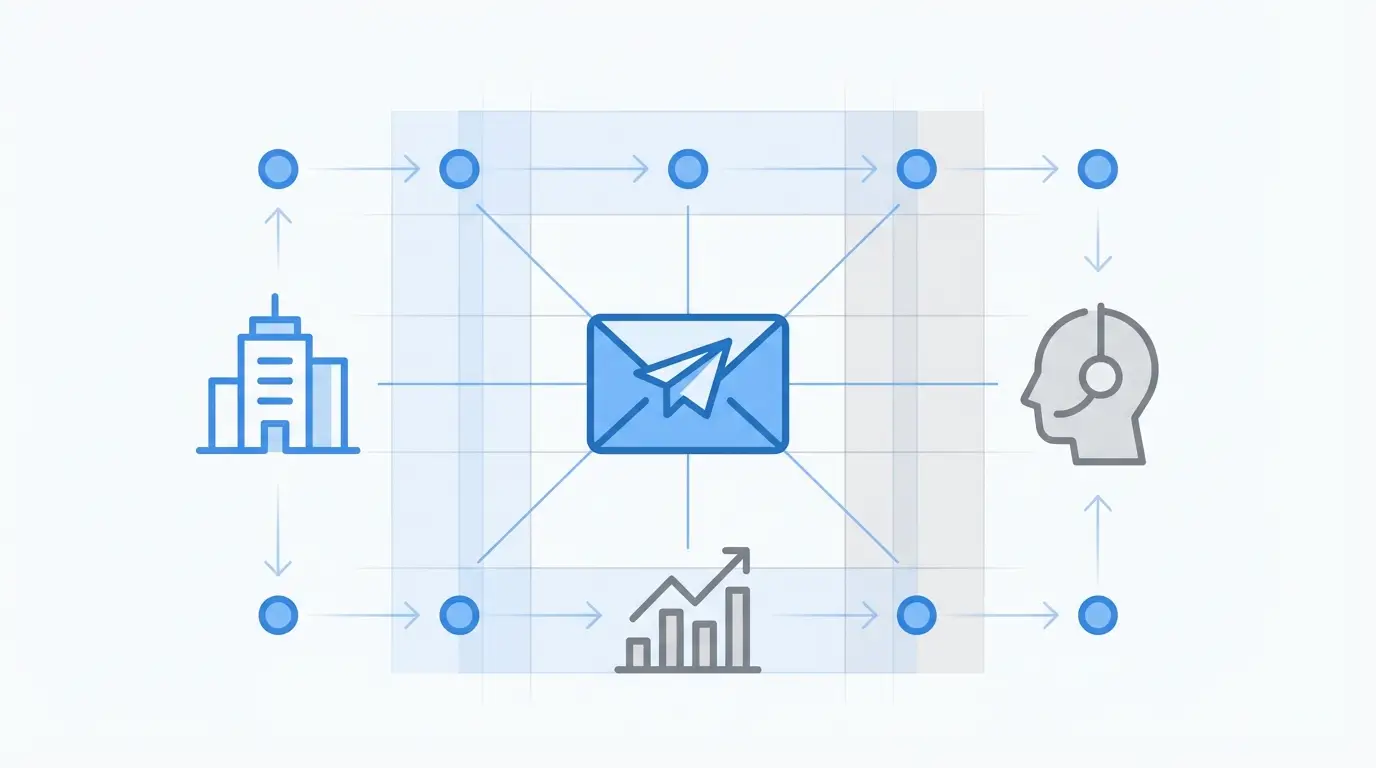
Strategic Email System (SES) Client Guidelines
Business Sector Research
- Thoroughly research each industry before crafting templates
- Identify sector-specific pain points, terminology, and priorities
- Create a database of industry benchmarks and success metrics to reference
- Understand the decision-making hierarchy in each sector
Template Development by Business Sector
Manufacturing/Industrial:
- Focus on efficiency, cost reduction, and quality control
- Reference relevant certifications and compliance standards
- Emphasize durability and reliability metrics
- Address supply chain considerations
Professional Services:
- Highlight expertise and specialized knowledge
- Reference case studies with concrete results
- Address professional standards and compliance
- Focus on client retention and satisfaction metrics
Technology:
- Emphasize innovation and competitive advantage
- Address integration capabilities and scalability
- Reference technical specifications where relevant
- Focus on ROI and implementation timelines
Healthcare:
- Prioritize patient outcomes and care quality
- Address compliance and privacy considerations
- Reference relevant certifications and accreditations
- Focus on efficiency without compromising care
Cold Email Structure Guidelines
Subject Line:
- Keep under 50 characters
- Be specific rather than clever
- Include the recipient’s company name when possible
- Avoid spam trigger words and excessive punctuation
Opening:
- Address recipient by name
- Reference specific research about their company
- Establish relevance immediately (why you’re contacting them)
- Keep to 2-3 sentences maximum
Value Proposition:
- State clearly what SES provides in 1-2 sentences
- Include one relevant data point or success metric
- Explain how your service addresses their specific challenges
- Keep technical details minimal
Call to Action:
- Request a specific, low-commitment next step
- Suggest 1-2 specific time options for a call
- Keep it brief and direct
- Make response requirements clear and simple
Signature:
- Include full name, title, and company
- Add phone number and email
- Include website link
- Keep professional, avoid excessive social media links
FOLLOW-UP MESSAGE GUIDELINES
Timing Protocol
- First follow-up: 3-4 business days after initial email
- Second follow-up: 5-7 business days after first follow-up
- Third follow-up: 7-10 business days after second follow-up
- Maximum follow-ups: 3 per prospect before ceasing contact
Follow-Up Structure
- Keep under 100 words
- Reference previous communication
- Add new value (insight, information, or data point)
- Maintain same call-to-action for consistency
- Include previous email thread for context
Follow-Up Templates by Response Stage
First Follow-Up:
- Reference initial email
- Add one new insight or value point
- Restate call-to-action
- Keep extremely concise
Second Follow-Up:
- Acknowledge persistence
- Provide specific customer success example
- Offer alternative engagement method
- Maintain professional tone
Final Follow-Up:
- State this is final communication
- Provide evergreen resource or value
- Leave door open for future contact
- Express genuine well-wishes
RESPONSE HANDLING PROTOCOL
Response Time Standards
- Initial responses to prospect replies: Within 2 business hours
- Detailed follow-up information: Within 24 business hours
- Meeting scheduling confirmation: Within 4 business hours
- Post-meeting follow-ups: Within 24 hours
Response Templates by Inquiry Type
Interest/Information Request:
- Thank for response
- Answer specific questions directly
- Provide one additional relevant insight
- Suggest concrete next step
- Include calendar scheduling link
Objection Handling:
- Acknowledge concern without defensiveness
- Provide clarifying information
- Share relevant case study addressing concern
- Offer to discuss further
- Maintain professionalism regardless of objection tone
Referral Request
- Express gratitude for consideration
- Provide requested information promptly
- Include additional resources for the referred contact
- Offer to join initial conversation if helpful
- Follow up with original contact after connecting with referral
Negative Responses:
- Thank them for their time
- Apologize for any inconvenience
- Remove from contact list if requested
- Do not argue or justify
- Keep extremely brief and respectful
Tone and Voice Guidelines
Overall Tone: Professional, confident, knowledgeable, and solution-oriented
Language Standards:
- Use precise, clear language
- Avoid industry jargon unless sector-appropriate
- Write at approximately 8th-10th grade reading level
- Use active voice predominantly
- Keep sentences under 20 words when possible
Professional Elements:
- Data-driven statements rather than claims
- Third-party validation where relevant
- Acknowledgment of recipient’s expertise
- Respectful of recipient’s time constraints
- Solution-focused rather than problem-focused
Formatting:
- Use bullet points sparingly for clarity
- Include white space for readability
- Bold only key information
- Avoid ALL CAPS except for acronyms
- Use company-approved templates and signatures
PERFORMANCE MONITORING
Email Performance Metrics
- Track open rates, response rates, and meeting conversion by sector
- Monitor response quality and sentiment
- Document objection patterns by industry
- Review time-to-response metrics regularly
Template Optimization
- A/B test subject lines within sectors
- Refine messaging based on response patterns
- Update templates quarterly with fresh data points
- Customize core templates for sub-sectors as patterns emerge
Continuous Improvement
- Schedule monthly review of email performance
- Document successful response strategies
- Create and maintain objection-handling knowledge base
- Develop industry-specific success stories for inclusion
This comprehensive guideline provides SES clients with structured protocols for creating effective cold emails and follow-ups that maintain professional standards while driving results across diverse business sectors.